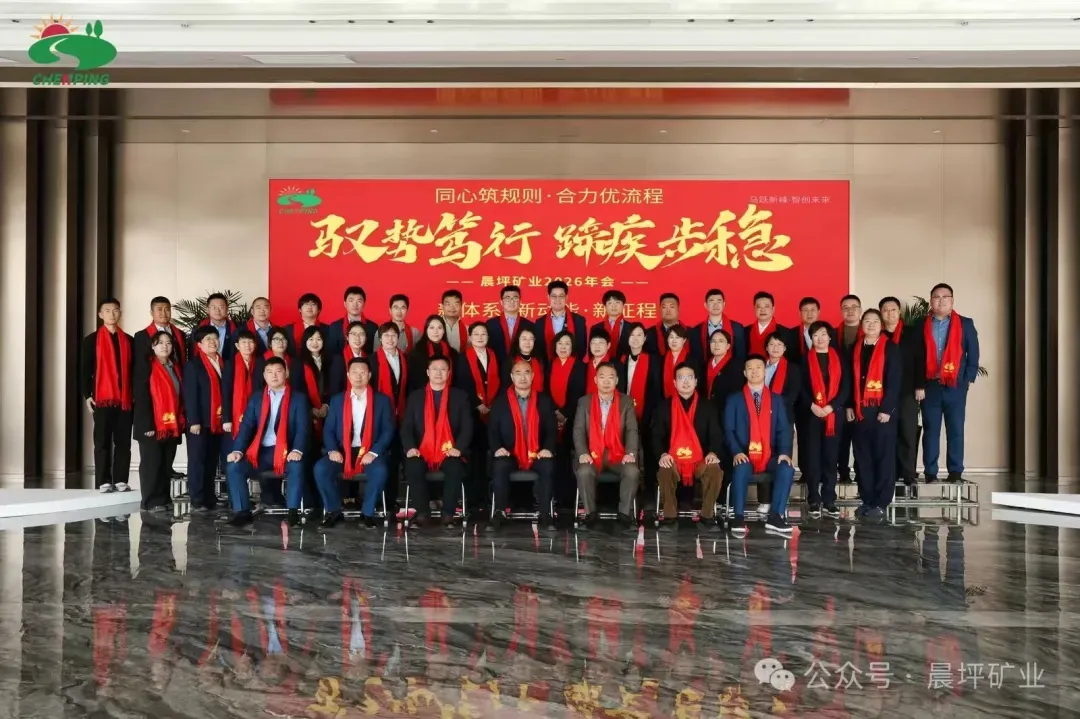
On January 25, 2026, all colleagues of Chenping Mining gathered at the Yantai Huizhi Hotel to solemnly convene the 2026 Annual Meeting. The meeting, themed “Riding the Momentum and Moving Steadily with Rapid Progress,” reviewed the extraordinary year of 2025 and officially released the company’s strategic blueprint and core tasks for 2026.
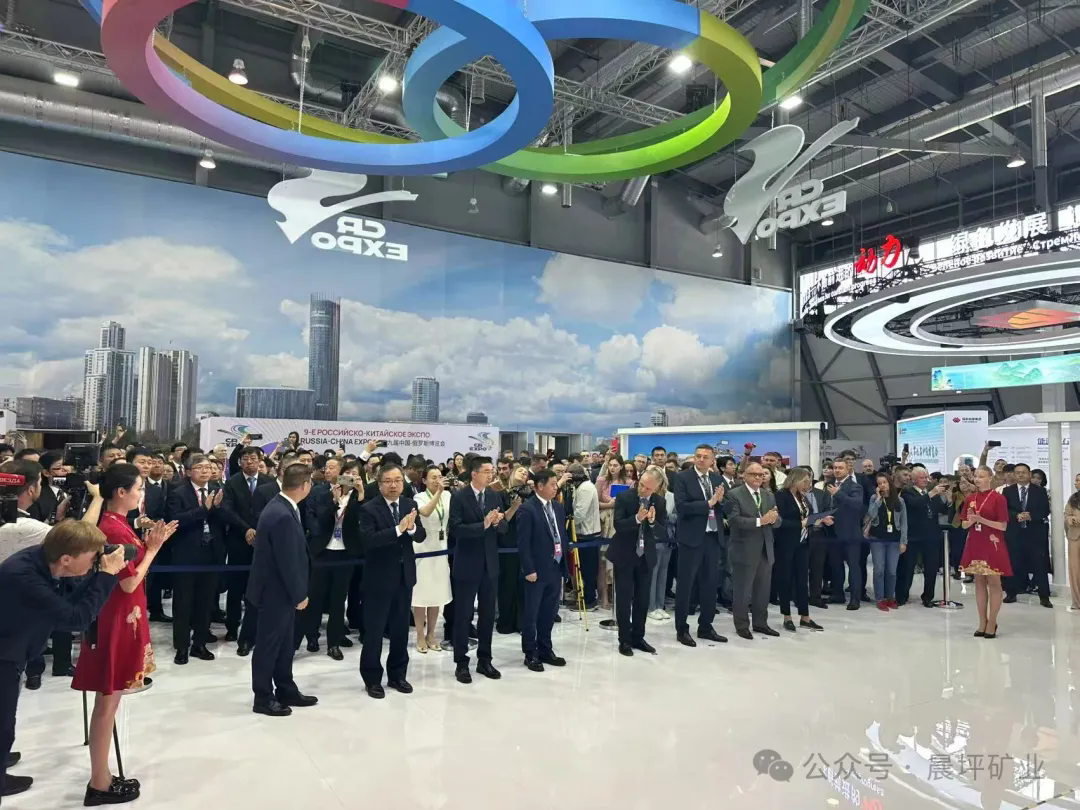
Deepening international exchanges and empowering mining development—Chenping Mining helps Sino-Russian economic and trade cooperation reach a new level.
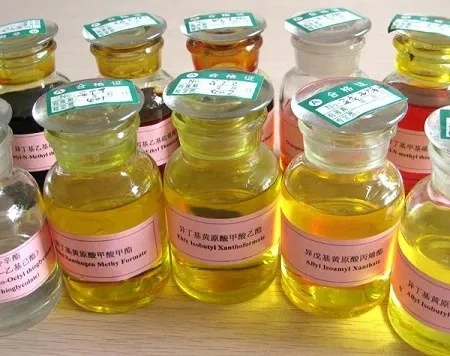
Flotation reagents are chemical substances used to improve the surface properties of minerals and the characteristics of flotation media. By adjusting the hydrophobicity of minerals and the stability of bubbles, minerals can easily adhere to bubbles and float, thereby achieving solid-liquid separation.
The mineral flotation process involves using a specific reagent regimen to enhance the hydrophobicity of the valuable minerals and the hydrophilicity of the gangue minerals.
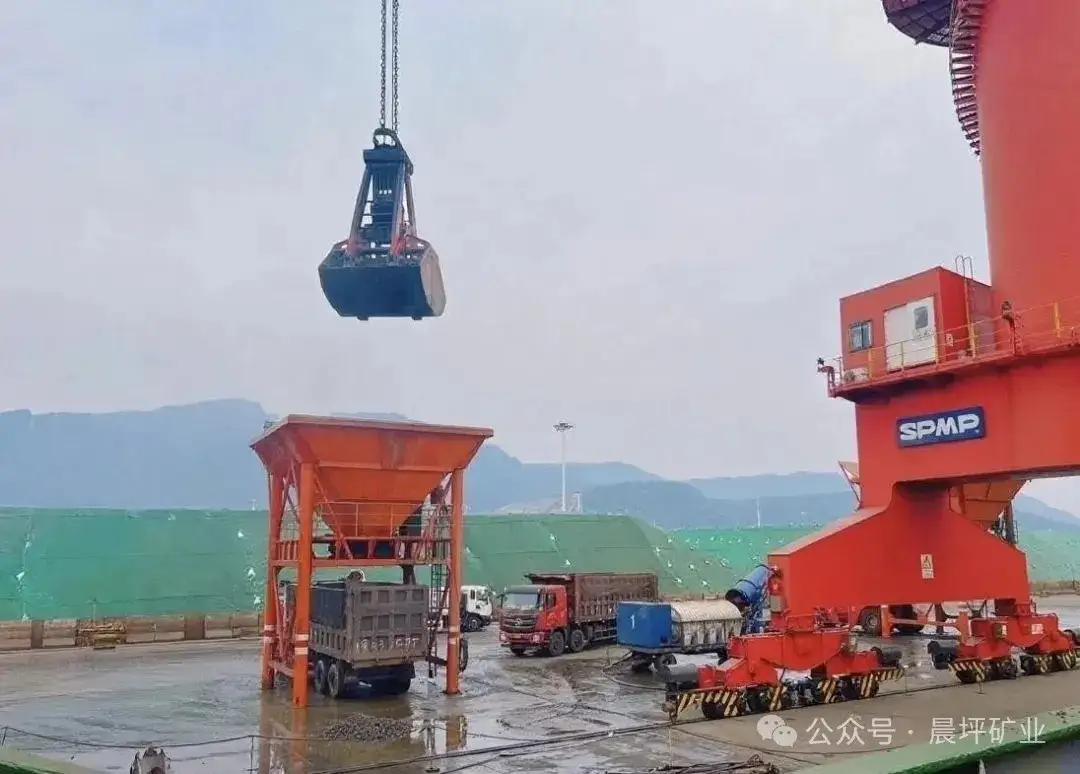
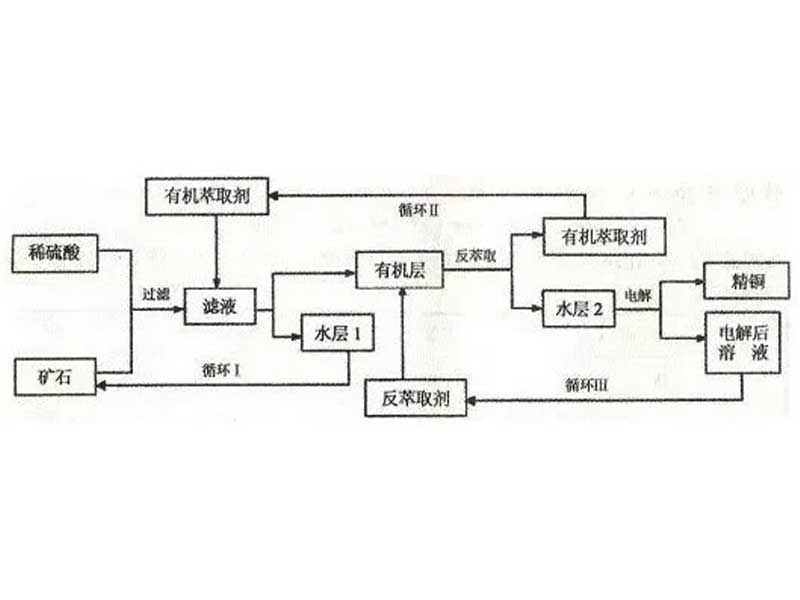
Copper ore mined from copper mines is beneficiated into copper concentrate or copper sand with higher copper content. Copper concentrate needs to be smelted into refined copper and copper products.
As the old saying goes: antiques are prized in prosperous times, while gold is prized in chaotic times! Few people probably care about the value of antiques when converted into gold, but gold remains the focus of everyone’s attention.
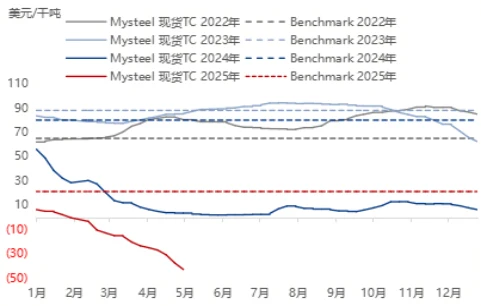
As of May 27, 2025, the standard clean copper concentrate TC index was -42.4 to -44.25 USD/dry tonnes, with a monthly average of -43 USD/dry tonnes, a decrease of 30.3% month-on-month and a decrease of 2054.5% year-on-year.