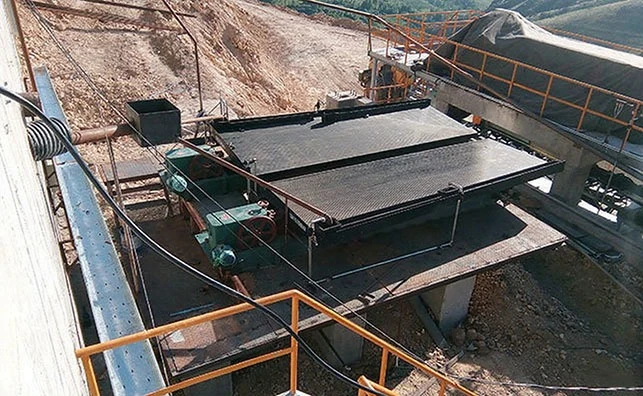
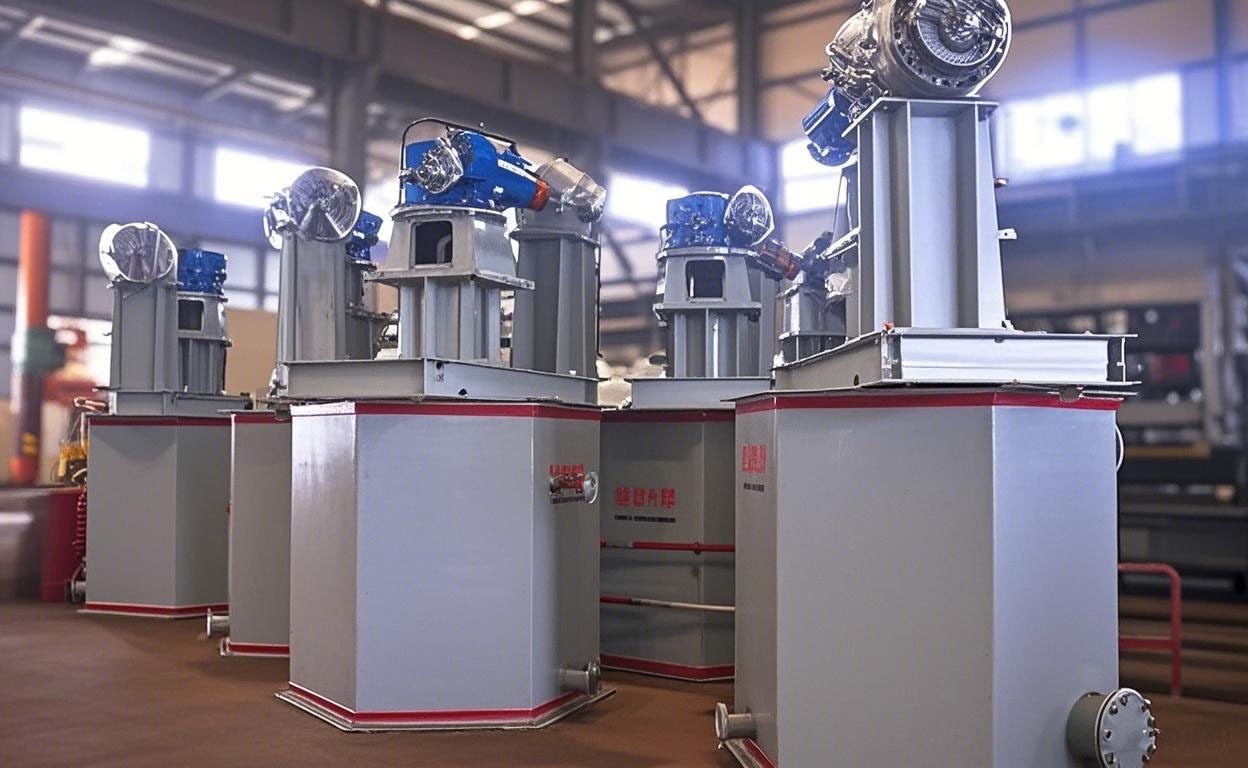
Nickel sulfide ores are one of the important sources of nickel, mainly composed of nickel-iron sulfide ((Ni,Fe)9S8), millerite (Ni3S2), and other nickel-containing sulfides. Because these minerals usually coexist with other metal sulfides (such as copper, cobalt, platinum group metals, etc.), and are often accompanied by a large amount of gangue minerals, appropriate ore dressing processes are needed to improve the grade and recovery rate of nickel. Currently, common methods include flotation, magnetic separation, gravity separation, oxidation roasting-leaching, and bioleaching.
Phosphate rock is an important raw material for the production of phosphate fertilizers and other chemical products. It is mainly composed of apatite minerals, including fluorapatite (Ca5(PO4)3F) and chlorapatite (Ca5(PO4)3Cl).
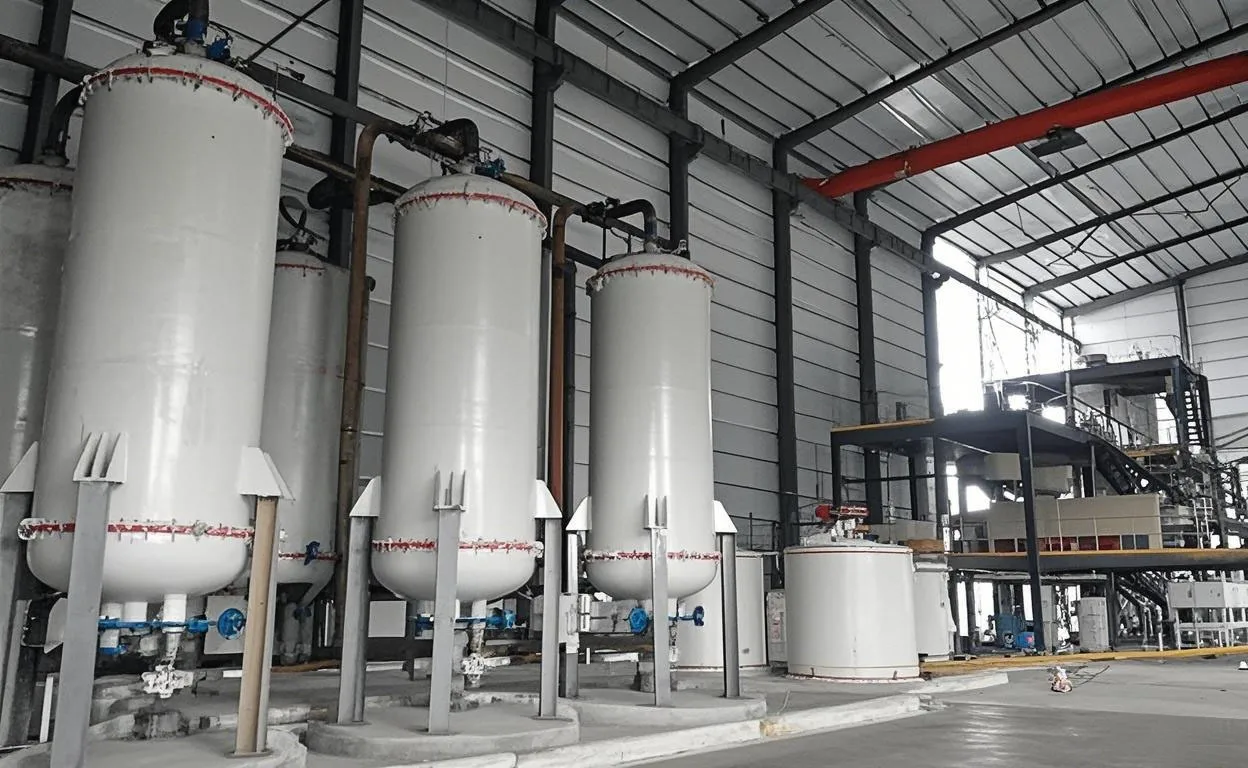
Gold extraction from cyanide leach solution involves separating, recovering, and purifying gold from a cyanide leach solution containing gold using a specific process. The principle of this method is mainly based on the good solubility of gold in cyanide solutions. Cyanide can form stable complexes with gold, thus dissolving gold from the ore. After obtaining the cyanide leach solution, processes such as activated carbon adsorption, ion exchange resin, solvent extraction, or zinc powder displacement are usually used to extract the gold.